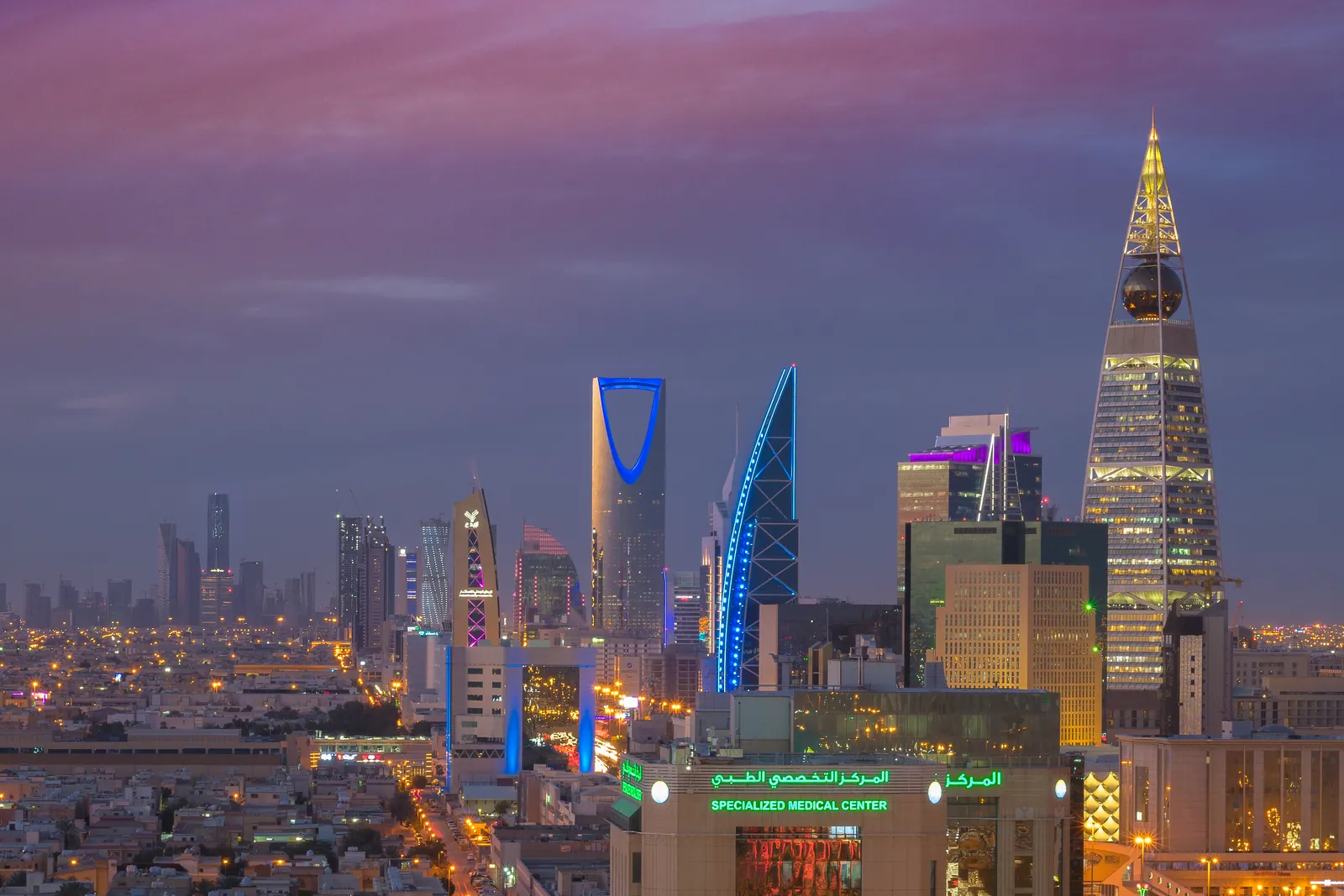
Where expats live in Riyadh: north Riyadh, explained
The districts north of KAFD, the compounds that keep coming up in expat forums, what a two-bedroom costs, and the one rule that saves you an hour a day: live near work.
September 2026 · 13 minutes
Almost everyone who stays with us arrives with the same list and the same worry: what has to happen first? Less than you think. Most of the first month in Riyadh is decided by one document, the iqama, and your employer is the one producing it. Your job in week one is to do the handful of things that do not wait on it, be available for the two appointments that do, and not sign anything you will regret. Here is the order we suggest, and why it saves a week of doubling back.
A note on dates: the rules below were checked in September 2026. Timelines vary by employer, and the official portals linked at the end are the final word.
Your work entry visa is valid for 90 days, and your employer uses that window to turn it into an iqama, your residence permit. Nearly everything else in your new life keys off that card: the bank, the government apps, the lease, the driving licence. So the most useful thing you can do before you fly is ask HR three questions.
Most flights from Europe land between midnight and four in the morning. Sleep first. Then four things, in any order, all of which work with your passport alone.
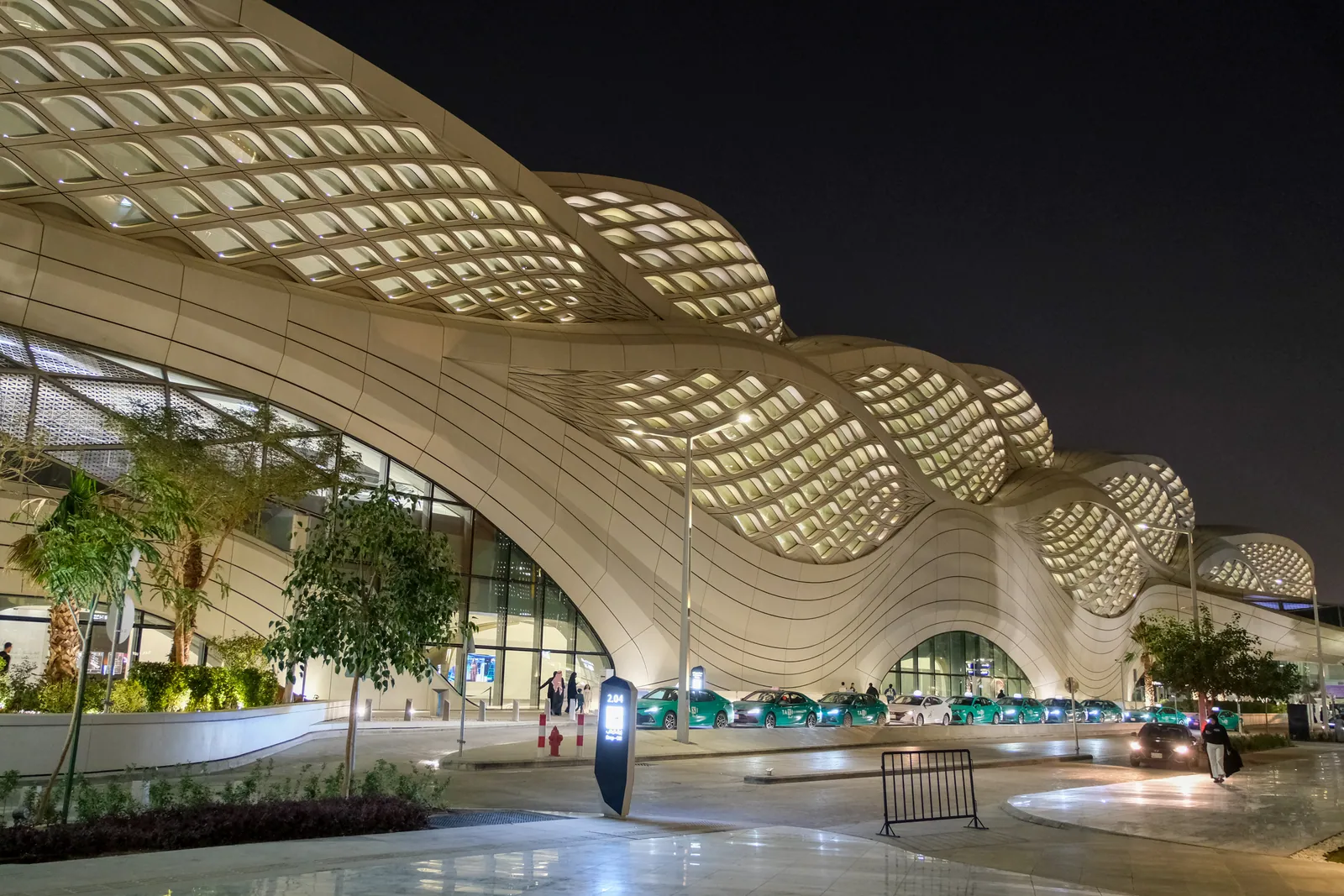
Getting in from the airport. The metro's Yellow Line runs from every terminal at King Khalid International to KAFD in the north in about 39 minutes with no changes, for SAR 4 on a two-hour ticket; tap a bank card at the gate. Our metro guide has the rest of the network. Careem and Uber pick up outside arrivals and reach the northern districts in twenty-five to forty minutes depending on the hour.
A SIM card. STC, Mobily and Zain all have kiosks in the arrivals hall and shops in every mall. Hand over your passport; the staff use your border number, the identity number assigned when you entered, to register the line, and may take a fingerprint. Starter packs run from about SAR 35 to 50 with a few gigabytes of data. You can hold two SIMs at a time, and eSIMs from the usual travel providers also work. Once your iqama arrives you move to a resident plan and update the registration to your iqama number.
The apps. With a Saudi number and mobile data you can set up the ones you will use daily before the government ones are available to you.
| App | What for | When |
|---|---|---|
| Careem, Uber | Getting around before you have a car | Day one |
| Darb | Riyadh Metro and bus tickets and routes | Day one |
| HungerStation, Jahez | Food delivery from almost every restaurant | Day one |
| Ninja | Grocery delivery | Day one |
| Google Maps | Works well in Riyadh, including transit | Day one |
| Absher | Government services, the one everything else hangs off | After the iqama |
| Tawakkalna | Digital ID wallet for your iqama, licences and permits | After the iqama |
| Sehhaty | Health records, appointments, the insurance card | After the iqama |
| Your bank's app | Salary, transfers, bills | After the account |
A supermarket. Danube and Tamimi are the two everyone ends up choosing between in the north, with Carrefour and Lulu close behind. Cards and Apple Pay are accepted everywhere, and you will use very little cash.
Two rhythms to learn on day one. The working week is Sunday to Thursday, and the weekend is Friday and Saturday. Shops and restaurants run late, and the city is at its most alive after eight in the evening.
The iqama is your residence permit and your employer's government-relations team drives the process. Your part is two appointments.
The medical. Within the first two weeks you attend a Ministry of Health approved centre for a blood test and a chest X-ray. Results typically come back within a day or two. Your employer must also have your health insurance in place, a policy approved by the Council of Cooperative Health Insurance, before the iqama can be issued.
Biometrics. Fingerprints and a photograph, taken at a Ministry of Interior enrolment centre, or through Absher once you have access.
With those done, the employer files the application through the Muqeem and Qiwa platforms, and the card is issued typically five to ten working days later and handed to you at work. Two to four weeks end to end is the normal experience; ask your own HR rather than trusting a general figure.
While you wait, this is what you can and cannot do.
| Task | Before the iqama | After the iqama |
|---|---|---|
| SIM card | Yes, with your passport and border number | Move to a resident plan |
| Metro, Careem, Uber | Yes | Yes |
| Rent a car | Yes, on a valid foreign licence, as a visitor | Convert to a Saudi licence |
| Bank account | Limited: some banks open one on the work visa with an employer letter, with a SAR 10,000 cap on transfers in the first three months | Full account, opened digitally |
| Absher | Not yet | Yes, and the rest follows from it |
| National Address | Not yet | Yes, on the SPL app |
| Sign a lease | Landlords usually want the iqama for the Ejar contract | Yes |
| Convert your driving licence | Not yet | Yes |
| Enrol children in school | Usually the iqama, or proof it is in progress | Yes |
The pattern is clear: the first week is for the things in the left column, and the second wave comes the day the card arrives.
Riyadh runs on cards. mada, Visa, Mastercard and Apple Pay are accepted at every counter, and your home bank card works, so you need very little cash: SAR 500 to 1,000 from an airport ATM covers tips and the occasional stall.
Salaries are paid into a Saudi account through the Wage Protection System, so you will need one, and there are two routes.
Ask HR which bank they pay into. Choosing the same one makes the first payday simplest.
The card opens the rest, and most of it takes an afternoon.
Then, and only then, the lease. You have had two or three weeks to test the commute at eight in the morning and to see the districts in daylight, which is exactly how we suggest choosing where to live.
| When | Do | Needs |
|---|---|---|
| Before you fly | Ask HR the three questions | |
| Day one | Sleep; SIM card; Careem, Darb, HungerStation, Ninja; a supermarket | Passport, border number |
| Days two to seven | The medical; biometrics; open a temporary account if HR requests it | Employer bookings |
| Weeks two to four | Iqama arrives; Absher, Nafath, Tawakkalna, National Address; resident SIM; full bank account; driving licence | The iqama |
| Weeks three to six | Test commutes; visit areas and compounds; sign the lease on Ejar | Iqama, bank account |
If you land in October, one more thing for the list: Riyadh Season will be fifteen minutes from anywhere in the north, and the first Friday evening at Boulevard City is a good way to feel at home quickly. For the rest of the arrival questions, see our moving to Riyadh guides.
Two to four weeks is typical: a medical in the first fortnight, biometrics, then five to ten working days of processing once the employer files. The work entry visa gives the employer 90 days to complete it. Ask your own HR for their usual timeline rather than relying on a general one.
Yes. STC, Mobily and Zain register a SIM to your passport and border number at the airport or any mall, often with a fingerprint scan, for about SAR 35 to 50. You can hold two SIMs. Once the iqama arrives, move to a resident plan registered to your iqama number.
Sometimes. Under the central bank's rules a bank may open an account for a new arrival on an official request from the employer, with transfers capped at SAR 10,000 during the first three months. Al Rajhi Bank opens accounts for people on the 90-day work visa in branch with a passport, the visa, a company letter and proof of address. A full account follows the iqama and takes minutes online.
As a visitor, yes, on a valid foreign or international licence for up to a year. Once you hold an iqama you need a Saudi licence. Licences from around 48 countries, including the UK, the EU, the US, Canada, Australia and the GCC, are exchanged without a test; check your country on Absher, as the list changes.
Yes to both, once you have the iqama. Absher is the account behind every government service, and it needs your iqama number and a Saudi mobile number in your own name. Tawakkalna is the digital wallet that holds your iqama, licence and permits, and it is what you will show day to day.
A passport with six months' validity, your attested degree certificate, attested and Arabic-translated marriage and birth certificates if family is joining you, six to eight passport photos, your driving licence and an International Driving Permit, prescriptions with a doctor's letter, a bank card that works abroad and an unlocked phone. Everything else you can buy in Riyadh the week you land.
Landing in Riyadh next month? Our apartments in Al Sahafah are one metro stop from KAFD and ready on day one, and we answer the questions above on WhatsApp all week.
Book a tourThe districts north of KAFD, the compounds that keep coming up in expat forums, what a two-bedroom costs, and the one rule that saves you an hour a day: live near work.
Six driverless lines, 85 stations, SAR 4 for two hours including the buses. Which line you will actually use, how to pay, the carriage rules, and what the Blue Line gives the north.
Five months of concerts, rides, championships and 80-restaurant evenings, from October into spring. What is free, what is ticketed, and what is confirmed for 2026–27 so far.
Send your dates and how many of you there are. We'll reply with what's available, the rate for your stay, and photos of the actual apartment.